As an Amazon Associate this site earns from qualifying purchases.
Top Picks: Living-Room Seating
Every product below was in stock on Amazon when this page was last checked. Prices come straight from the live listing, not from our own testing.
| Product | Best For | Price |
|---|---|---|
| Merax Modern Oversized U-Shaped Sectional Sofa with Piollows & Chaise Lounge | Large Family Sectional Seating | Check price on Amazon |
| Boneless Couch 91" Cloud Sofa 3-Seater Sectional Couches for Living Room | L-Shape Cloud Sectional | Check price on Amazon |
| 84.6” Corduroy Loveseat with Ottoman | Oversized Loveseat With Ottoman | Check price on Amazon |
| Shintenchi Modern Upholstered Sectional Sofa | Budget Reversible Sectional | Check price on Amazon |
| Christopher Knight Home Audrey 62.50" Oversized Lounge Chair | Tufted Chaise Lounge Chair | Check price on Amazon |
| CUBENTE 78.8" Convertible Futon Sofa Bed, Boneless Couch for Living Room | Convertible Futon Sleeper | Check price on Amazon |
Reviewed by the Plush Seating Editorial Team
Finding the right how to succeed with best sofas couches and living-room seating including sectionals loveseats recliners armchairs sleeper sofas accent chairs chaise lounges ottomans and futons comes down to matching the features to how you will actually use it.
As an Amazon Associate, we earn from qualifying purchases.
Last Updated: July 2026 | Written by the Plush Seating Editorial Team
Here's the thing about buying living-room seating: the category is enormous, the marketing is loud, and the actual specifications that decide whether you'll be happy in three years are usually buried at the bottom of a listing. This guide is about how to succeed with the best sofas, couches and living-room seating — including sectionals, loveseats, recliners, armchairs, sleeper sofas, accent chairs, chaise lounges, ottomans and futons — by reading specs closely instead of chasing photos.
We do not do hands-on testing. What we do is read manufacturer spec sheets and Amazon listing data — dimensions, frame construction, fill type, weight capacity, aggregate star ratings and review counts — and translate those numbers into consequences you'll actually feel when the piece is in your room. That's the lens for everything below.
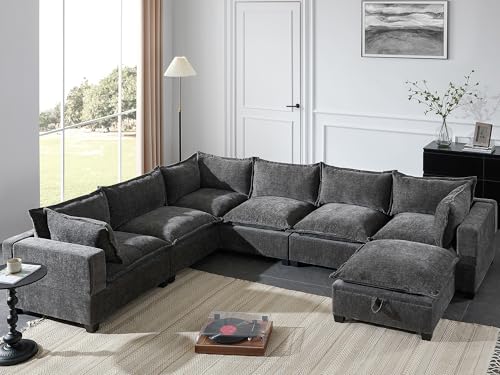
- Sturdy Construction: This modern U-Shaped Sofa manufactured with durable Solid wood and Manufactured Wood. The sturdy wooden frame and thick fabric make the sofa more stable and
- Full of Comfort: The cushions are made of high-quality pure foam, providing a soft and plush seating experience that feels like sitting on a cloud. The foam offers a perfect
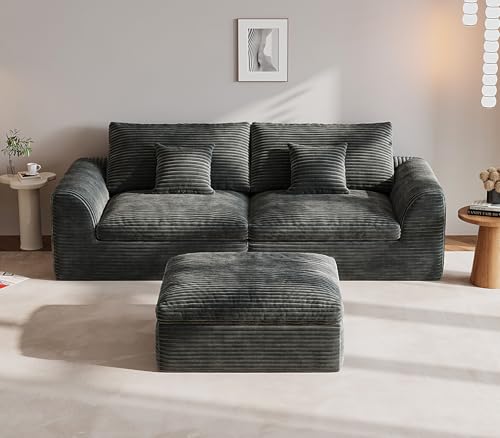
- Super Comfortable Cloud Sofa with Ottoman: The Cloud Sofa is upholstered in premium flannel fabric, its smooth, soft appearance complementing the sofa's color to create a
- 91-inch 3-seater Sofa /Oversized Loveseat: With its extra-wide 91-inch and 26.5-inch deep seater design, the soft Cloud Sofa offers ample seating space, comfortably seats 3
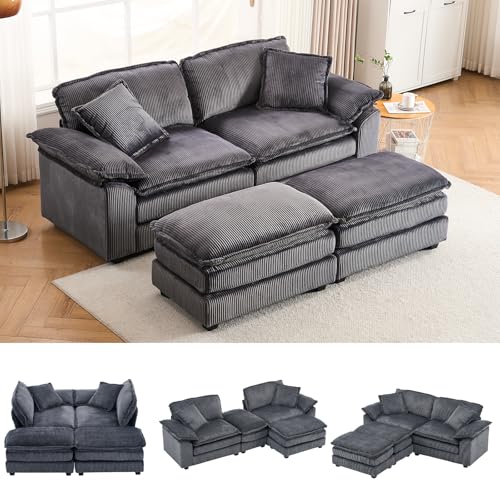
- Comfortable Corduroy Fabric: This modular sectional sofa is made of comfortable corduroy fabric, which is soft to the touch and highly breathable. The removable armrest covers are
- Loveseat Sleeper: This loveseat is suitable for living room, study, bedroom, balcony and other home scenes, easily meet your different needs for resting, reading, watching movies
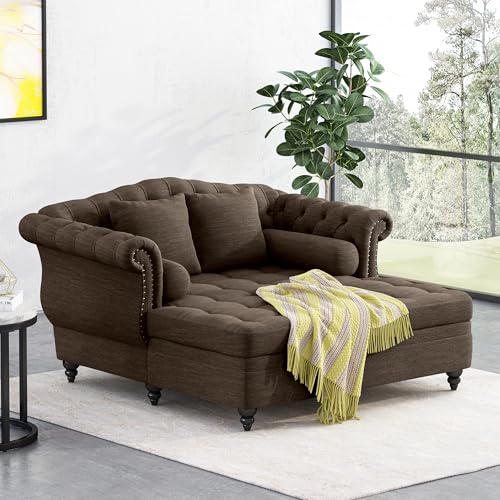
- 【Luxurious Comfort Loveseat Chaise Lounge】Experience the ultimate relaxation with our oversized chaise lounge, designed to transform your indoor space into a cozy haven perfect
- 【Elegant Design Features Chaise Lounge】Enhance your living room with the refined sophistication of our chaise lounge chair, showcasing stunning nailhead trim, scroll arms, and
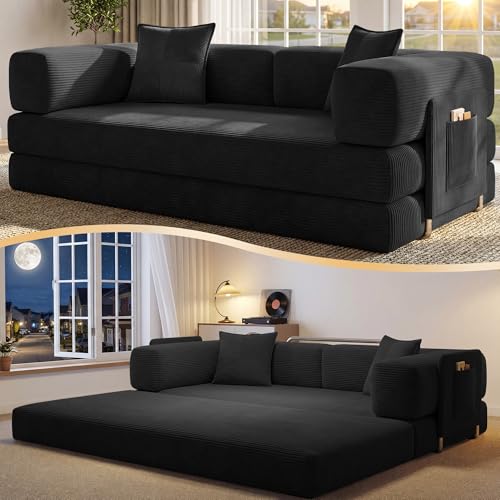
- Versatile 4-in-1 Space Solution | This 78.8" compact convertible couch bed effortlessly transforms into 4 modes: Sofa, Lounger, Chaise, and Guest Bed. It’s the ultimate modular
- Modern Aesthetic & Proportional Comfort | Featuring a sleek, minimalist silhouette, this 78.8" x 39.4" x 27.5" sectional couch boasts an extra-wide 59.1" seating area and a deep
What This Guide Covers
Living-room seating is not one decision, it's several. A sectional solves a different problem than a recliner, and a futon in a studio apartment answers a different question than a sleeper sofa in a guest-friendly family home. Below we break down how to evaluate each category on its own terms, what specifications matter most, and the trade-offs those specs quietly imply.
Because product picks on this site are verified against a live catalog and attached separately, this article is deliberately about the how — how to read a listing, how to size a piece, how to spot a weak frame from a spec sheet — rather than naming specific models. Learn the criteria here, and any shortlist you build will be sharper.
As an Amazon Associate, we earn from qualifying purchases. Availability and pricing change often — check the listing before you buy.
The Seating Categories, Decoded
Sofas and Couches
The standard three-seat sofa is the backbone of most living rooms. When you read a listing, the numbers that matter most are overall width, seat depth, and seat height. A width of 80–84 inches is the common "full-size" range; anything under 72 inches is really a small-space or apartment sofa no matter what the title claims.
Seat depth is the sleeper spec people ignore. A 22-inch seat depth suits upright sitting and shorter people; a 40-inch "deep seat" is a lounging sofa you sink into, which is glorious for movie nights but punishing if you have a bad back or short legs that won't reach the floor. Match the depth to how you actually sit.
Frame material is where durability lives. Kiln-dried hardwood frames outlast particleboard or "engineered wood" frames, so when a listing is vague about the frame, treat that vagueness as a warning. Suspension matters too: sinuous steel springs or eight-way hand-tied springs hold up far better than a webbing-only base.
Sectionals
A sectional buys you seating capacity and a defined room layout, but it demands that you measure twice. The single biggest mistake is buying an L-shape with the chaise on the wrong side. Listings specify "left-facing" or "right-facing" as seen when you're standing in front of the sofa looking at it — get this backward and the piece fights your room.
Modular sectionals (individual pieces you connect) score higher on flexibility and on getting through narrow doorways and up stairwells. Check the listing for the largest single carton dimension; a one-piece sectional that measures 90 inches in a box will not make it around a tight landing. Weight capacity per seat, often 250–300 lbs, is worth confirming if the sectional will see heavy daily use.
Loveseats
A loveseat is simply a two-seat sofa, typically 48–64 inches wide, and it's the right answer when a full sofa would crowd the room or when you're pairing two pieces. The evaluation criteria are identical to sofas — frame, springs, seat depth — just scaled down.
Watch the arm width. On a compact loveseat, wide rolled arms can eat six inches per side, leaving less usable seat than the overall width suggests. The listing's "inside width" or "seat width" figure, if provided, tells the real story.
Recliners
Recliners are mechanical furniture, and mechanisms are where they succeed or fail. The core spec split is manual (lever or push-back) versus power (motorized). Power recliners add a listed amperage draw and require an outlet, but they let you stop at any angle; manual recliners are simpler with fewer parts to break.
Key numbers: fully-reclined length (a recliner needs clearance behind it unless it's a "wall-hugger" design that slides forward as it reclines), weight capacity, and seat height. Taller users should look for a seat height around 20–21 inches and a taller backrest, because a short back leaves your head unsupported when reclined. If the listing mentions USB ports or heat/massage, treat those as nice-to-haves that add failure points, not core value.
Armchairs and Accent Chairs
An accent chair earns its keep on style and footprint. Because it's a single seat, you can take more design risk than you would on a sofa. Still, read the seat dimensions: a sculptural accent chair with a 17-inch seat height and shallow depth may photograph beautifully and be miserable to sit in for a whole evening.
For an armchair meant for real daily lounging, prioritize the same frame-and-suspension specs you'd demand of a sofa. For a chair that's mostly decorative — occasional seating by a window — you can weight the decision toward material and silhouette. Decide which job the chair is doing before you compare specs.
Sleeper Sofas
A sleeper sofa is two products in one, and it should be judged as both. As a sofa, apply the normal frame and seat criteria. As a bed, the decisive spec is the mattress: gauge (thickness) and type. A thin innerspring pull-out that folds over the support bar sleeps very differently from a memory-foam or air-over-coil mattress.
Check the folded-out bed dimensions against a standard mattress size (twin, full, queen) so you know sheets will fit. Note the mechanism — a pull-out click-clack folds down, a traditional sleeper unfolds from inside the frame — and confirm the open-bed clearance in front of the sofa. A sleeper that needs four feet of open floor won't work in a tight room.
Chaise Lounges
A chaise is built for stretching out, so length is the headline spec. Look for an overall length that actually accommodates a reclining adult (often 60 inches or more), and note whether the backrest angle is fixed or adjustable. An adjustable chaise is more versatile; a fixed one is simpler and usually sturdier.
Consider orientation and where the arm or back sits, since a chaise is asymmetrical by design. As with sectionals, "left" and "right" are defined from the front-facing view, and getting it wrong makes the piece awkward against a wall.
Ottomans
An ottoman is the most flexible small piece in the room: footrest, extra seat, coffee-table surface, or hidden storage. The category splits sharply into storage ottomans (hollow with a lift-top lid) and solid/upholstered ottomans. If you want it to hold blankets or toys, confirm the listing explicitly says "storage" and check the interior depth.
For an ottoman that doubles as a coffee table, look for a firm top or a listing that mentions a tray; a soft tufted top won't hold a mug. Weight capacity matters if anyone will sit on it. Height should roughly match your sofa's seat height if it's meant as a footrest.
Futons
Futons win on price and space efficiency, which is exactly why they dominate dorms, studios and first apartments. The frame material (metal versus wood) and the mattress thickness are the two specs that separate a futon you can live with from one you'll resent. A mattress under six inches thick sleeps thin; eight inches or more is more forgiving.
Read the conversion mechanism. Most are "split-back" designs that fold from sofa to lounger to flat bed. Confirm the flat dimensions and the weight capacity, and be honest that a futon is a compromise piece — excellent for occasional guests and small rooms, rarely the choice for a primary daily bed.
What to Look For: The Buying Criteria That Actually Matter
Across every category above, the same handful of specifications separate a purchase you'll be happy with from one you'll replace. Here's how to weigh them.
1. Frame construction. Kiln-dried hardwood is the gold standard. Engineered wood and particleboard are cheaper and lighter but flex and fail sooner. When a listing won't name the frame material, assume the worst and factor that into the price you're willing to pay.
2. Suspension system. Eight-way hand-tied springs are premium; sinuous (serpentine) steel springs are the solid mainstream choice; webbing or straps alone are the budget option that sags first. This spec predicts how the seat feels after a year of use.
3. Fill and cushions. High-density foam holds shape; low-density foam and pure fiber-fill compress and go flat. Down-blend cushions feel luxurious but need regular fluffing. The listing's foam density (measured in pounds per cubic foot, if disclosed) is a genuine quality tell.
4. Upholstery material. Performance fabrics and treated microfiber resist stains and suit homes with kids or pets. Genuine leather is durable but pricier and needs conditioning; "faux leather" or bonded leather can peel within a few years — a common complaint in the negative reviews of budget pieces, so read the one-star reviews before buying anything wrapped in it.
5. Dimensions and fit. Measure your doorways, hallways, stairwells and elevator before you fall in love with anything. Compare the listing's carton dimensions — not just the assembled size — against your tightest passage. This single check prevents the most expensive mistake in furniture buying.
6. Weight capacity. Listed per-seat or total capacity tells you whether a piece is built for real daily load or styled for photos. It's especially critical on recliners, futons and ottomans that double as seating.
7. Aggregate rating and review depth. A 4.5-star average across 8,000 reviews is a far stronger signal than 5 stars across 12. And the ratio matters less than the content: sort to the critical reviews and look for repeated, specific complaints (a sagging cushion at six months, a squeaky recliner mechanism, a frame that arrived cracked). Patterns in negative reviews are the closest thing to a durability report you'll get from a listing.
How We Research
We do not physically test, own or handle the products we write about, and this site says so plainly on every page. Our authority comes from reading the evidence closely, not from a testing lab.
For each category and any product picks attached to this page, we work from three sources: the manufacturer's published specifications (dimensions, frame material, fill type, weight capacity, mechanism details), the Amazon listing data (title, feature bullets, current price, and the aggregate star rating with its total review count), and the date that data was checked. We turn each spec into a consequence a buyer cares about — for example, a deep 40-inch seat means great lounging but a hard time standing up for shorter users — and we flag the trade-offs the numbers imply.
Where we can't verify something, we say so and attribute it to the listing or the manufacturer rather than presenting it as fact. Ratings and review counts change over time, so treat any figure as accurate as of the check date and confirm current numbers on Amazon before buying.
Our Top Pick: How to Choose Yours
Because we research from specifications rather than personal use — and because verified product picks are attached to this page separately — the most honest "top pick" we can give you is a decision framework:
- Start with the job. Daily family sofa, occasional guest bed, reading chair, footrest with storage — name the primary job before comparing anything.
- Set the footprint. Measure the room and every passage the piece must travel through. This eliminates most options instantly.
- Demand the durability specs. Kiln-dried hardwood frame, steel or hand-tied springs, high-density foam. If a listing hides these, discount it.
- Read the critical reviews. Look for repeated, specific failures at the six-to-twelve-month mark.
- Confirm the numbers today. Price, rating and review count move; verify before you buy.
Frequently Asked Questions
What is the most durable type of living-room seating?
Durability comes from construction, not category. Across sofas, sectionals and recliners, the longest-lasting pieces share a kiln-dried hardwood frame, eight-way hand-tied or sinuous steel-spring suspension, and high-density foam cushions. A cheap sofa with a hardwood frame will outlast an expensive one built on particleboard.How do I know a sofa will fit through my door?
Compare the listing's carton (shipping box) dimensions — not the assembled size — against the width and height of your narrowest doorway, hallway turn, and stairwell. Modular sectionals ship in smaller pieces and are far easier to move into tight spaces than one-piece designs.Sectional or two separate sofas — which is better?
A sectional maximizes seating in a defined L or U layout and reads as one cohesive piece. Two separate sofas (or a sofa plus loveseat) offer more flexibility to rearrange and are easier to move. Choose the sectional for a fixed layout and maximum capacity; choose separates for adaptability.Are power recliners worth it over manual?
Power recliners let you stop at any angle and often add USB charging, but they need an outlet and introduce a motor that can fail. Manual recliners are simpler, cheaper and have fewer parts to break. If reliability is your priority, manual wins; if precise positioning and comfort features matter more, power is worth the premium.Is a sleeper sofa comfortable enough for regular sleeping?
For occasional guests, yes. For nightly use, the mattress spec decides it: a memory-foam or coil-over-foam mattress at a decent thickness sleeps far better than a thin fold-over innerspring. Check the folded-out bed size against standard mattress dimensions so replacement sheets and toppers fit.What foam density should I look for in cushions?
High-density foam holds its shape and resists the sag that plagues cheap seating. When a listing discloses foam density in pounds per cubic foot, higher is generally firmer and more durable. If density isn't listed, scan the critical reviews for complaints about cushions flattening within the first year.How reliable are Amazon star ratings for furniture?
Use the volume and the content, not just the average. A 4.5-star rating across thousands of reviews is a stronger signal than a perfect score across a dozen. More importantly, read the one- and two-star reviews for repeated, specific complaints — frame cracks in transit, squeaky mechanisms, peeling faux leather — which reveal failure patterns a headline rating hides.Sources & Methodology
This guide is built from manufacturer-published specifications (dimensions, frame and suspension construction, fill type, mechanism details and weight capacity) and Amazon listing data (product titles, feature bullets, pricing, and aggregate star ratings with review counts), interpreted against general furniture-industry construction standards. We do not conduct hands-on testing; our analysis is spec- and listing-based, and any rating or price figures should be reconfirmed on the retailer's page before purchase, as those values change over time. Verified product picks for this category are sourced from a live catalog and attached to this page separately.
About the Author
The Plush Seating editorial team independently researches living-room seating from manufacturer specifications and Amazon listing data. We do not perform hands-on testing; our conclusions come from close reading of published specs, listing details and aggregate review data, translated into the trade-offs that matter to buyers.
Key Takeaways
- Choosing the right how to succeed with best sofas couches and living-room seating including sectionals loveseats recliners armchairs sleeper sofas accent chairs chaise lounges ottomans and futons means matching the key features to your specific needs and budget
- Read real customer reviews and check the return policy before you commit
- Compare value across models — the priciest option is not always the best fit